Safeguard Your Home: Important Services from Certified Electricians
Licensed electricians provide essential services that improve residential safety. They resolve typical electrical concerns and conduct regular inspections to detect possible dangers. These experts ensure that installations meet safety standards while also suggesting improvements to aging systems. Being aware of these important services can help avert emergencies and safeguard property value. Homeowners may wonder which particular problems electricians address and how to find the most suitable specialist for their requirements.
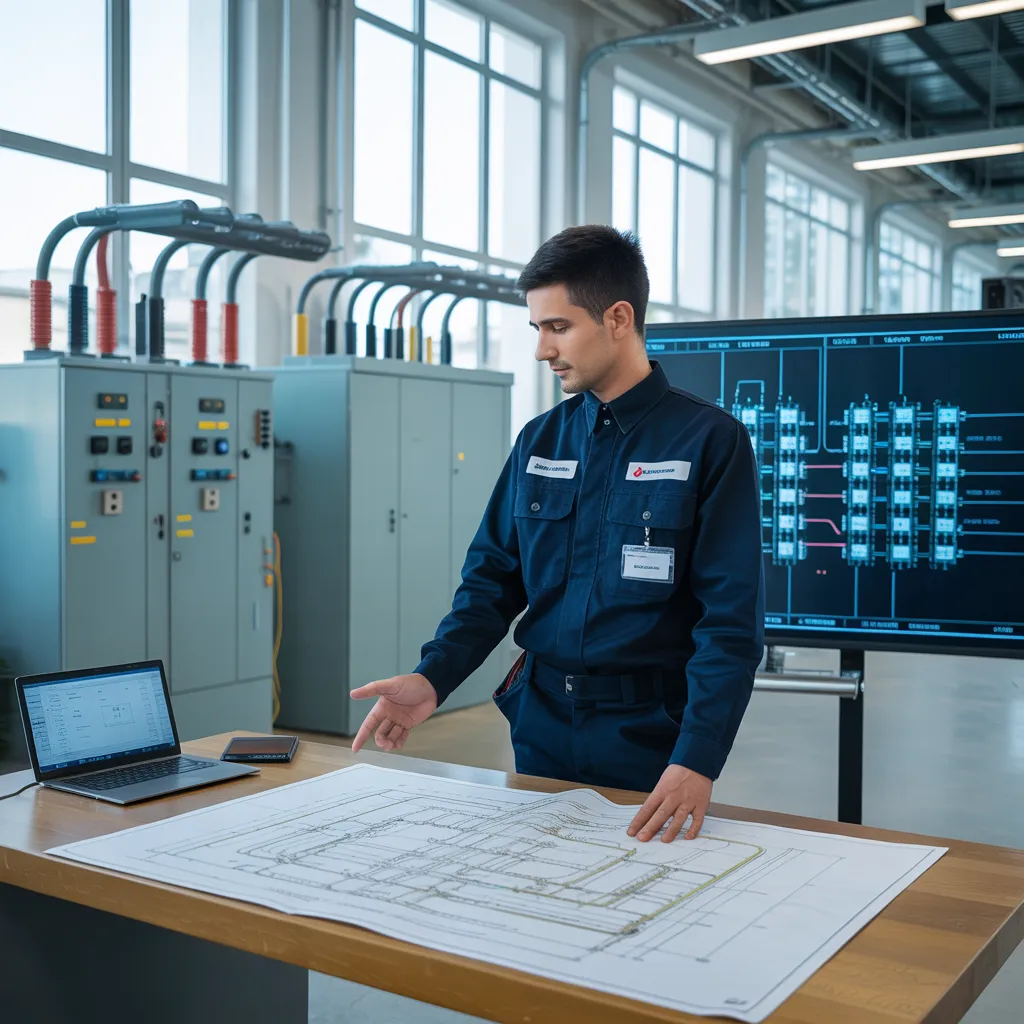
Frequent Electrical Issues and How to Resolve Them
Electrical issues can disrupt daily life, highlighting the need to understand typical concerns and their remedies. Intermittent light flickering, for instance, are frequently caused by loose bulbs or defective wiring. Tightening connections or replacing bulbs can resolve this issue. Circuit overloads, characterized by frequent breaker trips, can be remedied by reallocating appliances to separate circuits or enhancing the electrical panel.
A frequently encountered concern relates to outlets that cease to operate, which may stem from tripped breakers or damaged wiring. Testing the breaker and inspecting the outlet can help identify the cause. Furthermore, ground fault circuit interrupters (GFCIs) can activate unexpectedly as a result of moisture or defective devices; resetting the GFCI or substituting defective devices can reestablish proper operation. Identifying these frequent electrical concerns allows homeowners to resolve problems quickly, ensuring safety and efficiency within their households.
Why Regular Electrical Inspections Matter
While many homeowners tend to underestimate the value of scheduled electrical evaluations, such evaluations are critical for ensuring the safety and efficiency of any home. Scheduled evaluations uncover potential hazards such as deteriorating wiring, obsolete systems, and overwhelmed circuits, that may result in fire hazards or critical equipment breakdowns. By tackling these problems before they escalate, property owners can avoid costly repairs and ensure adherence to safety standards.
Moreover, inspections play a key role in identifying areas of energy waste, allowing for adjustments that can lead to more info decreased energy expenses. Licensed electricians possess the expertise to detect early signs of wear and damage that may go unnoticed by the average homeowner. Beyond that, routine inspections often enhance the longevity of electrical infrastructure and household appliances, positively impacting the property's worth. At the core of it all, scheduling consistent electrical inspections serves as a critical step in preserving the well-being of occupants and the overall condition of the home.
How Inspections Contribute to Safe Installations
Routine electrical inspections serve a critical function in guaranteeing that installations are performed safely and efficiently. These inspections allow licensed electricians to evaluate existing wiring, outlets, and fixtures, uncovering potential risks or code violations prior to new installations starting. By assessing the general state of the electrical system, electricians can address issues such as outdated wiring or inadequate grounding, which could compromise safety.
Additionally, these assessments allow professionals to verify that all components meet current safety standards. This precautionary action not only boosts the safety of the installation process but also defends homeowners from subsequent electrical failures or hazards. Certified electricians apply their knowledge to suggest essential upgrades or adjustments, making certain that all installations comply with established best practices. Ultimately, consistent inspections promote a safer home environment, offering homeowners reassurance while lowering the chances of electrical fires or malfunctions in the years ahead.
Upgrade Your Electrical Panel for Safety
Replacing an electrical panel is a vital step in strengthening safety within a home. An old electrical panel can present substantial risks, including damage to appliances and electrical fires. Licensed electricians endorse this modernization to support modern electrical demands and guarantee dependable power delivery.
Modern panels are fitted with sophisticated protective features, such as circuit breakers that promptly interrupt electrical flow when overloads or faults occur. This lowers the likelihood of overheating and possible hazards. Moreover, upgrading typically permits the installation of additional circuits, addressing the rising number of electronic devices used in homes today.
Homeowners might experience flickering lights, frequent circuit breaker trips, or a burning smell, all signs that an upgrade may be necessary. Reaching out to a certified electrician can help determine if an electrical panel upgrade is appropriate, promoting a safer home environment while addressing the requirements of modern electrical consumption.
What to Do in an Electrical Emergency
Electrical incidents can emerge at any moment, often underscoring the importance of a well-maintained electrical panel. In such circumstances, immediate action is vital to guarantee safety. First, people should remain calm and examine what is happening. If there is smoke or flames, evacuating the premises and calling emergency services takes precedence. For electrical shocks, it is important not to make direct contact with the victim and instead employ a non-conductive item to disconnect them from the electrical source.
Should a power outage happen, examining the circuit breaker is a sensible action prior to reaching out to a licensed electrician. When unusual odors or buzzing sounds emerge from outlets, it is critical to disconnect appliances and cease using them until a professional can inspect the system. Above all, having copyright information for a licensed electrician readily available can support rapid action in emergency circumstances, ensuring safety and reducing potential harm.
How to Find the Right Licensed Electrician
How does one make certain they are hiring the most suitable licensed electrician for their requirements? The first step is to validate the electrician's license and insurance, making certain they align with local regulatory standards. Next, seeking recommendations from friends, family, or online reviews can provide insights into the electrician's reliability and quality of work.
Moreover, you should ask about the electrician's specialization and experience, as certain contractors prioritize household wiring while others specialize in commercial electrical work. Requesting a thorough cost breakdown, including the cost of labor and materials, helps in comparing costs and avoiding surprises.
Furthermore, evaluating interpersonal abilities is crucial; a qualified electrician should communicate problems clearly and address questions thoughtfully. To conclude, looking for warranties on completed work can demonstrate a commitment to quality. By weighing these considerations, homeowners can decide with confidence, ensuring safety and satisfaction with their hired electrician.
Commonly Asked Questions
What Credentials Should I Seek in a Licensed Electrician?
When searching for a certified electrician, it is essential to prioritize key criteria such as proper licensing, relevant certifications, extensive experience, positive client reviews, and adherence to safety regulations, guaranteeing both proficiency and dependability in electrical services.
How Much Do Electrical Services Typically Cost?
Electrical contractor rates usually fall at $50 to $100 per hour, subject to the difficulty of the work and the electrician's qualifications. Further expenses may be added for necessary materials, official permits, or emergency requests outside normal business hours.
Is There a Warranty Provided for Electrical Work?
Most qualified electrical specialists extend service warranties for their services, commonly covering both labor and materials for a designated duration. This secures the satisfaction of clients and offers confidence about the durability and quality of the electrical repairs and installations completed.
Am I Able to Do Electrical Work on My Own?
While individuals may attempt electrical work themselves, it is usually not a wise decision. Certified electricians carry the experience and technical knowledge needed to maintain safety and regulatory compliance, limiting the chances of mishaps and potential safety risks.
How Often Should I Schedule Electrical Inspections?
Homeowners should schedule electrical system inspections every 3 to 5 years, or more frequently if issues are present. Routine evaluations help identify potential hazards, guaranteeing protection and adherence with current electrical codes and standards.